
Putting People Before Profit
Revealing Results of a Berkeley Community Health Study
I operate a physical therapy clinic in downtown Berkeley, Calif., which has been in service to the community for over 35 years. I have worked here for fifteen years and witnessed the deterioration of our healthcare system firsthand as it relates to addressing the functional mobility needs of our community members.
Through daily interactions with patients, I’ve seen consistent patterns of discrepancy between insurances and access to care. However, these valuable insights remained largely anecdotal. So we sought to formally document them in a proposed community-based study, which would confirm that these factors result in perpetuating inequities in our community.
True experiences and obstacles
Our clinic teamed up with UC Berkeley’s Department of African American Studies and two community organizations, Healthy Black Families, Inc., and the Friends of Adeline, to highlight the true experiences and obstacles our patients face when attempting to access care.
The study attempted to understand the level of recognition and attention that patients received from referral sources and insurance providers when trying to navigate these realities.
Our aim was to transform these observations into actionable knowledge and present it to our city, county and state governments.
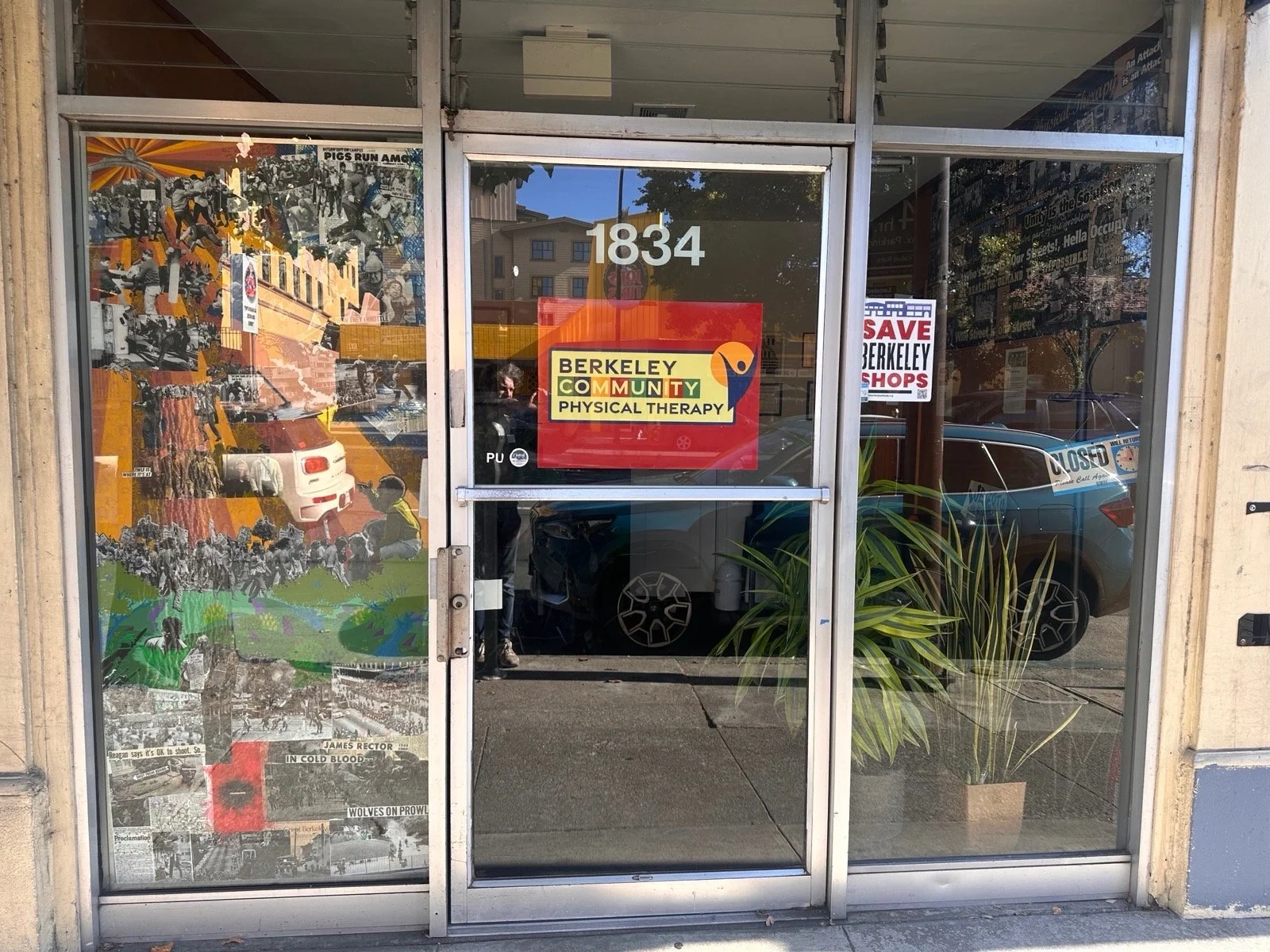
Community physical therapy clinics face deteriorating support systems.
We formulated a successful grant application on this subject for a UC Berkeley Chancellor’s Grant, which awarded us the opportunity to formally study our community’s access to care.
The study cohort consisted of patients from different insurance coverages who were placed into a listening study. The study design included three workshops with 27 participants and a facilitator who administered the questions. All of the workshops were video- and audio-recorded and later transcribed and interpreted by three different readers (no AI).
As our recordings demonstrate, the majority of patients from the most vulnerable socio-economic bracket covered by Medi-Cal were people of color and senior citizens. We juxtaposed their experiences to others in the listening study, who are cash-paying clients and higher-income private insurance members.
This study revealed clear and substantial inequities present in the healthcare system. It also revealed a disconnect between the city of Berkeley and its community healthcare clinics, which the city supports materially.
As the community clinics that support Medicaid clients do not provide physical therapy (PT) services under their umbrella, they must refer PT to an outside clinic. However, the reimbursement levels are so low for these services that the majority of the clinics refuse to accept these patients. Facing this obstacle, affected patients typically discontinue pursuit of care and their physical mobility becomes significantly impacted or lost altogether, further damaging their overall health and generating a greater burden to their community.
Study findings: themes and solutions
Our findings also illuminated the disconnect between those who seek care and those who are providing it. After studying the transcripts, five key themes were identified, which will be brought to the attention of city, county and state policymakers to address potential solutions:
1) The need for Medicare for All to address delayed treatment, and lack of insurance coverage.
2) The negative effects of virtual physical therapy (isolation, lack of physical touch, static vs. dynamic assessment).
3) No health without care (positive effects of manual physical therapy, human touch, one-on-one care).
4) The importance of preventative care (independence and mobility impact quality of life, reduction of negatively impacting social networks and, thus, the greater healthcare system).
5) A disconnect between city of Berkeley support of the Lifelong Medical Care clinics that request PT, while not supporting PT clinics as part of their structure.
The overarching voice of the Medicaid group, in contrast to the private-pay groups, underscores the perils of accessing care, continuing care and the debilitating cost to members to the detriment of their communities and the healthcare system as a whole.
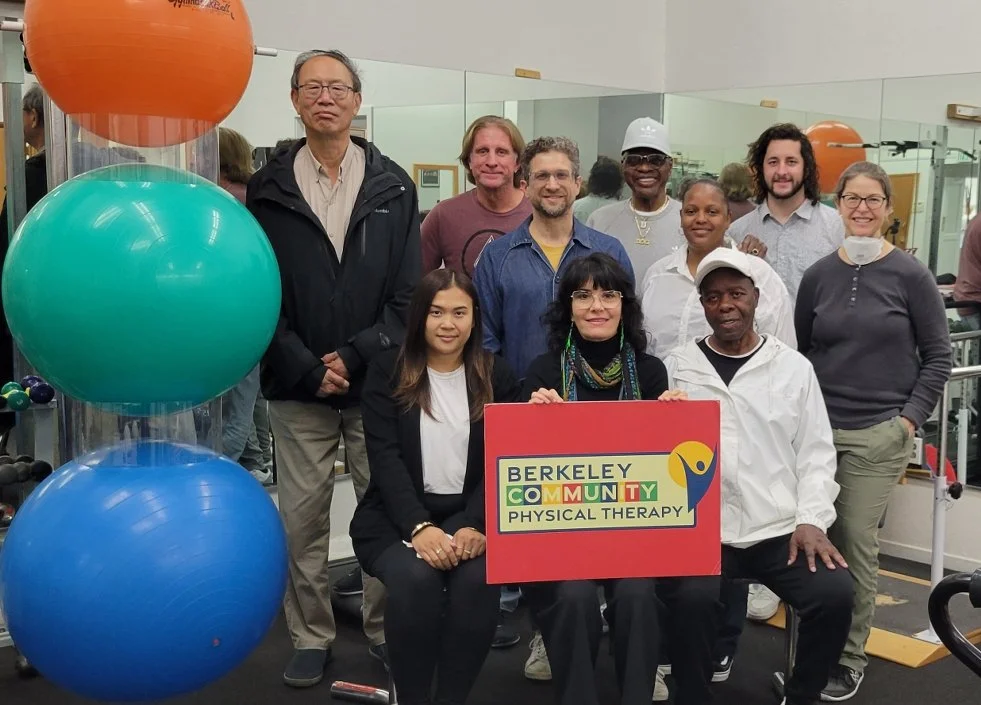
The hardworking staff at Berkeley Community Physical Therapy.
Our study focused intentionally on insurance levels that point to socio-economic sectors as opposed to race/ethnicity. However, because we identified participants by their insurance coverage, we know that 50 percent of the participants are below the poverty line (very low or extremely low-income bracket).
Our study clarified the fact that this portion of the population must wait for extended periods of time while their physical status deteriorates, as opposed to participants who have direct access to care with no waiting times.
The listening study also emphasized the importance of manual therapy care and one-on-one care, which many insurance carriers no longer reimburse for. The classic relationship between the physical therapist practitioner and the patient that used to be based on face-to-face, hands-on care has been replaced by “patient mills,” where patients are being given exercises and monitored by unlicensed aides and hardly ever physically touched.
This approach is used to bridge the financial gap of poor reimbursement by the practitioners to make up for the loss in revenue. The study overwhelmingly revealed the effectiveness of manual therapy and direct care in healing the patients who participated in the study or, to put more simply, people before profit.
The cost of “wealthcare”
The political and economic system in which Californians are presently ensnared orients state healthcare policy around private ownership and above all, profit. The actual cost of this “wealthcare” regime is orders of magnitude higher than the exorbitant profits investors extract. Indeed it is a price Californians pay with their bodies, their community, and their human agency. Quoting from the most recent DSA Program, Workers Deserve More: “The political and economic system under which we live is built on private ownership and profit at all costs. As capitalism fails to solve problems of its own making, it turns to right-wing authoritarianism. Big business makes deals with the government to line their pockets.”
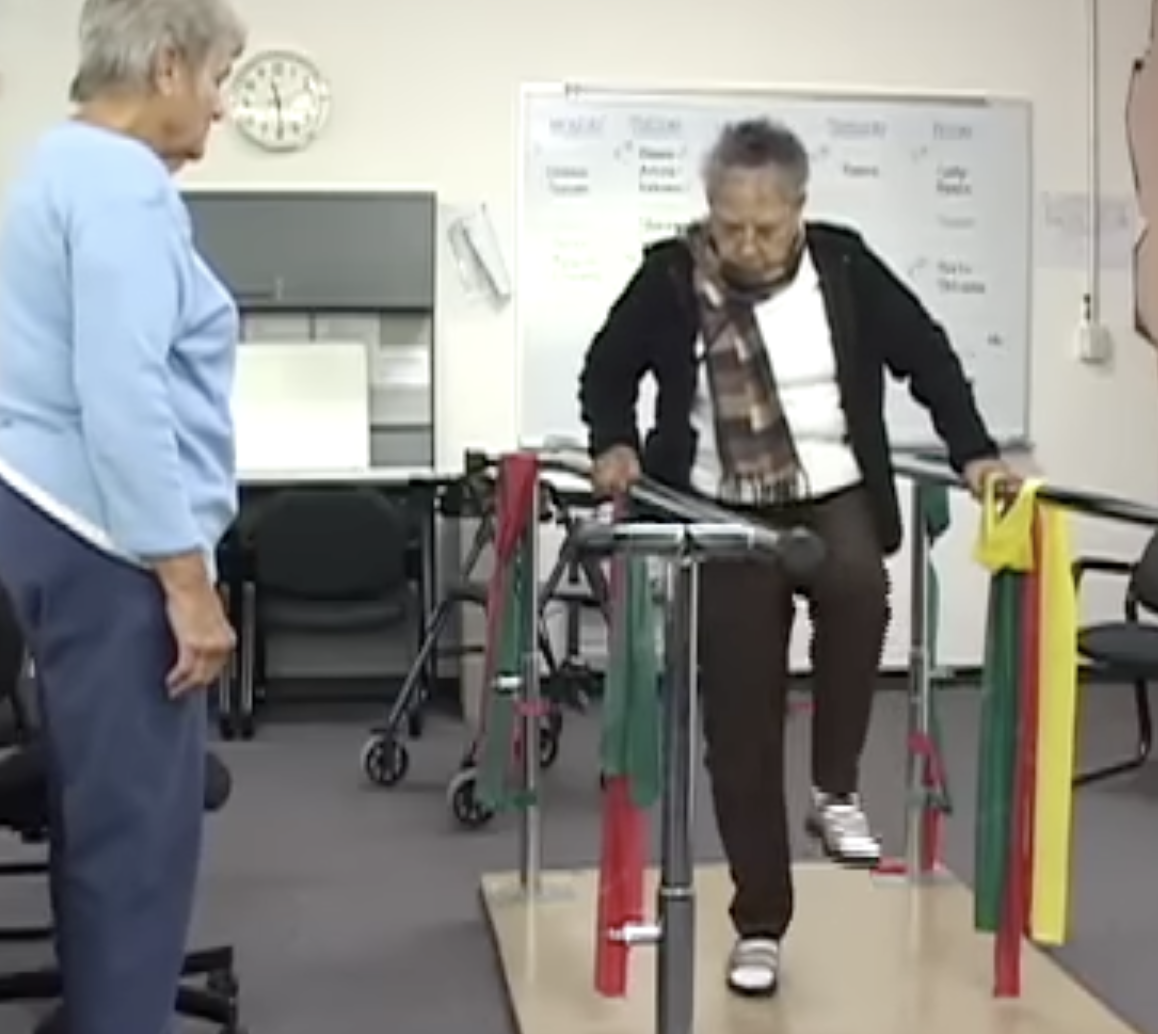
The study highlighted the positive effects of preventative care and manual physical therapy.
Nowhere is this more apparent than in the health care system, with big hospital systems being rewarded huge profits at the expense of our communities. As community clinics are driven under and funding is lost, our traditional safety nets disintegrate for the benefit of a small handful of privileged oligarchs.As community clinics (which have historically treated the working-class) are driven under and funding is directed upwards, our traditional safety nets are being disintegrated for the benefit of a small handful of privileged investors. We must go beyond merely countering this moral calamity by organizing local DSA chapters to demand that California’s top public institutions center the findings of this study and others like it to fund policy and programs that foster community-based health care accountable to elderly, disabled and underprivileged Californians. We must also demand our elected representatives center community-based healthcare hand-in-hand with adequate reimbursement through policies that strengthen and center patients and their healthcare providers above the interests of the medical insurance industry.